
Telemedicine for Chronic Disease Management (2026)
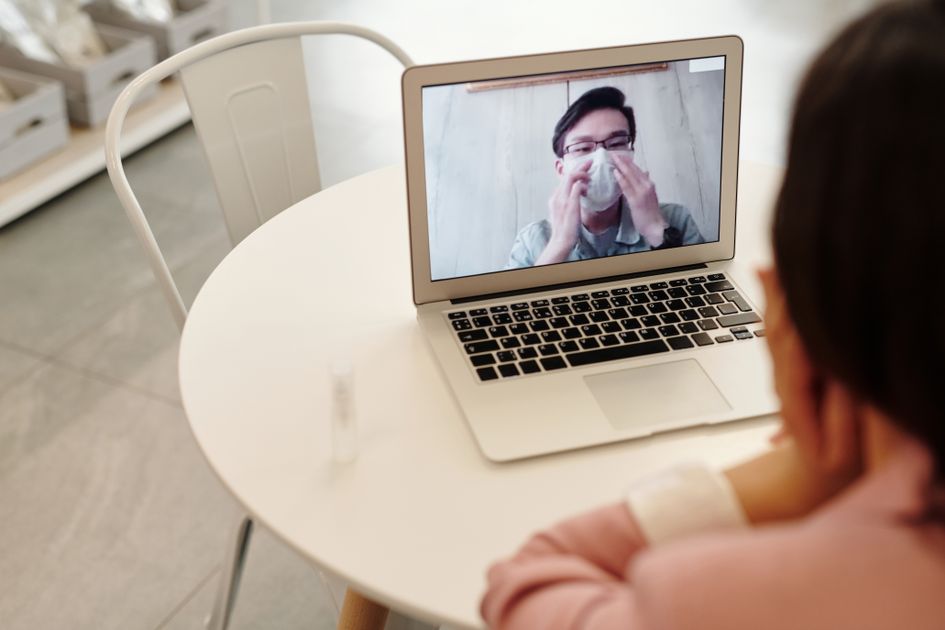
Photo via Pexels
Quick note: Finance24Me is an independent information site. We do not provide medical care. This article is educational only.
Roughly 60% of US adults live with a chronic disease — diabetes, hypertension, asthma, heart disease, depression, arthritis. Chronic conditions require regular, ongoing management that telemedicine handles particularly well. The combination of remote monitoring devices, frequent virtual check-ins, and reduced travel burden makes telemedicine well-suited to long-term care.
How Chronic Disease Telemedicine Works
| Component | What It Includes |
|---|---|
| Routine virtual visits | Regular check-ins (3–6 month intervals) |
| Remote patient monitoring | Wearables / devices send data to provider |
| Medication management | Refills, dose adjustments via virtual visits |
| Health coaching | Lifestyle, diet, exercise guidance |
| Care coordination | Multiple specialists collaborating virtually |
| Emergency triage | Decide if escalation needed |
Conditions Well-Suited to Telemedicine
| Condition | Telemedicine Quality |
|---|---|
| Type 2 Diabetes | Excellent |
| Hypertension | Excellent |
| Asthma (managed) | Very good |
| Heart disease (stable) | Very good |
| COPD (managed) | Very good |
| Depression / anxiety | Excellent |
| Hypothyroidism | Excellent |
| Arthritis | Good |
| IBS | Good |
| Chronic pain | Good |
| Chronic kidney disease | Good (with labs) |
Remote Monitoring Devices
In 2026, common remote monitoring devices include:
| Device | What It Tracks |
|---|---|
| Continuous Glucose Monitor (CGM) | Blood sugar 24/7 |
| Blood pressure cuff (Bluetooth) | BP automated |
| Pulse oximeter | Oxygen saturation |
| Smart scale | Weight, body composition |
| ECG-capable smartwatch | Heart rhythm |
| Spirometer | Lung function |
| Smart inhaler | Asthma medication adherence |
Many insurers cover these devices when prescribed. Data flows to your provider’s portal between visits.
Diabetes Management via Telemedicine
Typical care pattern:
| Activity | Frequency |
|---|---|
| Endocrinologist video visit | Every 3 months |
| Lab draw (A1C, lipids) | Every 3–6 months |
| Continuous Glucose Monitor data review | Continuous |
| Diabetes educator video session | As needed |
| Nutrition counseling | Quarterly |
| Eye exam | Annually (in-person) |
| Foot exam | Annually (in-person) |
Studies show diabetes telemedicine produces equal or better A1C outcomes vs in-person care for many patients.
Hypertension Management via Telemedicine
Typical care pattern:
| Activity | Frequency |
|---|---|
| Home BP monitoring (Bluetooth cuff) | Daily or twice weekly |
| Provider review of BP data | Weekly during titration; monthly otherwise |
| Video visit | Every 3–6 months |
| Lab work | Annually or as indicated |
| Medication adjustment | Via virtual visit |
Home BP monitoring + telemedicine often achieves better BP control than periodic in-office BP measurement (which suffers from white-coat effect).
Mental Health + Chronic Conditions
Many chronic conditions co-occur with depression or anxiety:
- Diabetes + depression: 2× rate vs general population
- Heart disease + depression: 2–3×
- Chronic pain + depression: 4×
Integrated telemedicine — your PCP for the medical condition, virtual therapy for mental health — delivers better outcomes than treating either in isolation. See Telemedicine Mental Health.
Insurance Coverage
| Plan Type | Chronic Care Telemedicine |
|---|---|
| Medicare | Broadly covered (post-COVID expansion) |
| Medicaid | Covered, varies by state |
| Employer plans | Almost always covered |
| Marketplace plans | Covered at parity |
Some plans offer Chronic Care Management (CCM) programs with bundled telemedicine services.
Cost Comparison: Diabetes Care, Annual
| Care Pattern | Annual Cost (after insurance) |
|---|---|
| Traditional (4 in-person visits + labs) | $200–$600 + travel/time |
| Hybrid (1 in-person + 3 virtual + CGM) | $150–$400 |
| Fully virtual (4 video visits + remote monitoring) | $100–$300 |
Telemedicine often saves $100–$300 annually plus 6–12 hours of time.
Care Team Collaboration
Chronic conditions often involve multiple providers:
- Primary care physician
- Specialist (endocrinologist, cardiologist, etc.)
- Pharmacist
- Diabetes educator / nutritionist
- Physical therapist
- Mental health provider
Virtual care platforms increasingly let these providers share data and notes seamlessly. Ask if your insurer supports integrated chronic care platforms.
What Still Requires In-Person Care
Even with strong telemedicine programs, certain things need in-person:
- Annual physical exam
- Initial diagnosis (sometimes)
- Procedure-based care (joint injections, biopsies)
- Imaging (X-ray, MRI, ultrasound)
- Some lab tests
- Vision and dental exams
- Foot exams (diabetes)
Helpful Resources
📖 CDC Chronic Disease — official chronic disease resources.
📖 CMS Chronic Care Management — Medicare CCM program details.
📖 Disease-specific organizations — American Diabetes Association, American Heart Association, etc.
Tips for Effective Chronic Disease Telemedicine
- Track your data consistently — BP, glucose, weight, symptoms
- Bring data to every visit — even if device sends automatically
- Communicate concerning trends early — don’t wait for next visit
- Take medications as prescribed — adherence matters
- Schedule consistent follow-ups — chronic care needs regular touchpoints
- Use patient portals — message providers between visits
- Know red-flag symptoms — escalate to in-person or ER when needed
FAQ — Telemedicine for Chronic Disease
Q: Can my chronic condition be managed entirely virtually? A: Most can be 80–90% virtual with annual in-person visits for physical exam and certain tests.
Q: Will my insurance cover remote monitoring devices? A: Many insurers cover devices when prescribed for chronic conditions. Verify before purchasing.
Q: How often should I have telemedicine visits for chronic conditions? A: Typically every 3 months when stable; more often during medication titration or symptom changes.
Q: Can my multiple specialists coordinate via telemedicine? A: Increasingly yes. Patient portals and integrated platforms let providers share notes and data.
Q: What if my chronic condition gets worse? A: Contact your provider immediately via portal or phone. Symptoms may require in-person evaluation or escalation.
Related Reading on Finance24Me
- Telemedicine Explained: Complete 2026 Guide
- Telemedicine vs In-Person Care
- Best Telemedicine Practices for Common Conditions
- Telemedicine Mental Health: What to Expect
- How Telemedicine Works with Your Insurance
Bottom Line
Telemedicine is particularly well-suited to chronic disease management. Diabetes, hypertension, asthma, mental health conditions can be 80–90% virtually managed with quality outcomes. Combine virtual visits, remote monitoring devices, and integrated care platforms with annual in-person visits for best results.
Disclaimer: This article is for informational and educational purposes only. It is not medical advice, and Finance24Me does not provide medical care or telemedicine services. Always consult a licensed healthcare provider for chronic condition management.
By Finance24Me Editorial · Updated May 9, 2026
- chronic disease
- telemedicine
- diabetes
- hypertension