
Best Telemedicine Practices for Common Conditions (2026)
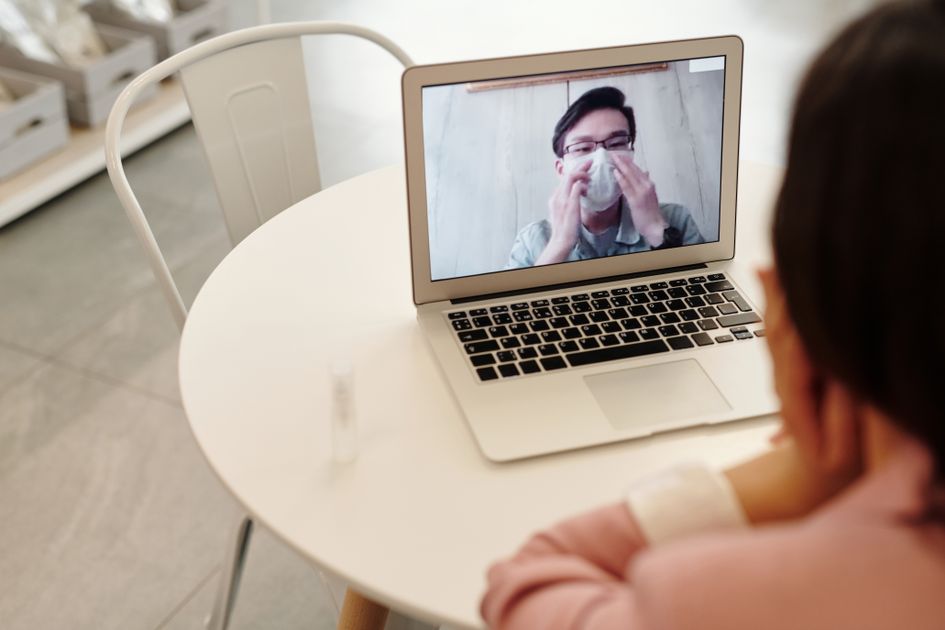
Photo via Pexels
Quick note: Finance24Me is an independent information site. We do not provide medical care. This article is educational only — for any medical decision, consult a licensed provider.
Telemedicine works very well for some conditions and poorly for others. Knowing how to prepare for each common condition — what to bring, what to ask, what to expect — improves outcomes and avoids unnecessary in-person visits afterward.
Telemedicine Suitability by Condition
| Condition | Telemedicine Quality | Notes |
|---|---|---|
| Mental health (anxiety, depression) | Excellent | Often first-line care |
| Cold/flu | Very good | Symptom-based diagnosis |
| Sinus infection | Good (recurrent), moderate (first time) | History matters |
| UTI | Good | Symptoms usually clear |
| Skin conditions (rash, acne) | Very good | Photos help |
| Allergies | Very good | Triggers, symptoms history |
| Sleep issues | Excellent | Discussion-based |
| Chronic conditions (follow-up) | Excellent | Routine management |
| Pediatric triage | Good | Decide ER vs home |
| Pregnancy follow-ups | Good | Many can be virtual |
How to Prepare for Common Visits
Mental Health Visit
Bring: History of symptoms, current medications, sleep patterns, recent stressors, any prior diagnoses.
Tips:
- Find a private, quiet space
- Have water nearby
- Note specific examples (frequency, triggers)
- Be honest about symptom severity
- Ask about therapy + medication options
Cold / Flu Visit
Bring: Symptom timeline (when started, severity), current fever, any prior similar episodes, medications taken, vaccination history.
Tips:
- Take temperature before the call
- Note any breathing difficulty (if severe → in-person)
- Mention any chronic conditions
- Have current pharmacy info ready
Skin Condition Visit
Bring: Multiple high-quality photos in good lighting, timeline of changes, what triggers it, any treatments tried.
Tips:
- Photos in natural light
- Multiple angles
- Include scale (ruler or coin for size)
- Note any pain, itching, bleeding
UTI Visit
Bring: Symptom list, sexual history (relevant), prior UTI history, fluid intake, any fever or back pain.
Tips:
- Note if symptoms started after sexual activity, antibiotics, or other triggers
- Mention any flank/back pain (could indicate kidney involvement → in-person)
- Have pharmacy info for prescription
Pediatric Visit
Bring: Child’s temperature, recent eating/drinking, sleeping patterns, vaccination status, prior episodes.
Tips:
- Have child visible on camera
- Note alertness, breathing, color of skin
- Be ready to show throat, ears (if app supports it)
- Provider may decide in-person needed
Chronic Disease Follow-up
Bring: Recent vitals (BP, glucose if diabetic), current medications, any new symptoms, lab results if recent.
Tips:
- Take home BP / glucose readings before call
- Note medication adherence honestly
- Discuss any side effects
- Have refill needs ready
Tech Tips for Better Visits
| Tip | Why It Matters |
|---|---|
| Test connection 10 min before | Catches issues |
| Use Wi-Fi over cellular | More stable |
| Find well-lit area | Provider can see you better |
| Wear loose clothing | If exam (e.g., skin) needed |
| Headphones if available | Better audio, more privacy |
| Phone in landscape mode | More natural framing |
| Close other tabs/apps | Reduces lag |
Red Flags Requiring In-Person Care
During or after a telemedicine visit, escalate to in-person if:
- Severe pain that’s worsening
- Difficulty breathing
- Chest pain
- High fever (>103°F adult, >100.4°F infant)
- Confusion or altered consciousness
- Severe vomiting / can’t keep fluids down
- Stiff neck with fever
- Blood in stool/urine/vomit
- Severe headache with vision changes
- Signs of stroke (face droop, arm weakness, speech difficulty)
For these → 911 or ER, not another telemedicine call.
What Telemedicine Can Prescribe
Most medications can be prescribed virtually:
- Antibiotics
- Antiviral medications
- Birth control
- Allergy medications
- Mental health medications (most)
- Diabetes medications
- Blood pressure medications
- Asthma inhalers
- Topical creams
Restrictions:
- Controlled substances (Schedule II) — some states require in-person first visit
- Stimulants (ADHD) — varies by state and provider
What Telemedicine Can’t Do
- Physical exams (palpation, auscultation, percussion)
- Labs (blood draw, urine, throat swab)
- Imaging (X-ray, MRI, ultrasound)
- IV medications
- Procedures (suturing, biopsy, joint injection)
- Vaccinations
- Sample collection requiring kit pickup
For these, you’ll be referred to in-person.
Hybrid Care Pattern
Best approach for many chronic conditions:
| Visit Type | When |
|---|---|
| In-person initial | New condition diagnosis |
| In-person annual physical | Once per year |
| Telemedicine routine follow-up | Every 3 months |
| Telemedicine acute issues | As needed |
| In-person if escalation needed | When telemedicine flags concern |
Helpful Resources
📖 HHS.gov Telehealth — official telemedicine information.
📖 American Medical Association — physician guidance and patient resources.
📖 211.org — local health resources and triage support.
Common Telemedicine Mistakes
- Trying telemedicine for emergencies — call 911 instead
- Insufficient preparation — short visit becomes wasted
- Hiding symptoms or medication non-adherence — reduces care quality
- Bad lighting / connection — limits what provider can see
- Not following up — virtual visit still requires action
FAQ — Best Telemedicine Practices
Q: How do I make my telemedicine visit more effective? A: Prepare a written symptom timeline, list current medications, take vitals if relevant, have good lighting and connection.
Q: Can I get the same prescriptions virtually as in person? A: Most medications yes. Controlled substances have additional regulatory requirements that vary by state.
Q: What if I need labs or imaging? A: The telemedicine provider can order them. You’ll go to a lab or imaging center, then results are shared back.
Q: Should I use telemedicine for first visits? A: For routine concerns (mental health, allergies, basic skin issues), yes. For complex new conditions, in-person is often better.
Q: How long do telemedicine visits last? A: Typically 10–20 minutes. Mental health visits often longer (30–60 minutes).
Related Reading on Finance24Me
- Telemedicine Explained: Complete 2026 Guide
- Telemedicine vs In-Person Care
- How Telemedicine Works with Your Insurance
- Telemedicine Mental Health: What to Expect
- Telemedicine for Chronic Disease Management
Bottom Line
Telemedicine works best when you prepare. Bring written symptom history, current medications, recent vitals, and good photos for skin issues. Pick a quiet, well-lit space. Be honest about symptom severity. For routine and follow-up care, the quality matches in-person — but escalate immediately if symptoms worsen or red flags appear.
Disclaimer: This article is for informational and educational purposes only. It is not medical advice, and Finance24Me does not provide medical care or telemedicine services. Always consult a licensed healthcare provider for medical decisions.
By Finance24Me Editorial · Updated May 9, 2026
- telemedicine
- best practices
- common conditions